SriggleSriggle Logo
Request A Demo
Request A Demo

B2B Travel Portal
Development Company | Business

Over 100 travel businesses across 50+ countries use Sriggle to manage bookings, agents, and suppliers from one platform.

Know More

What is B2B Travel Portal Development?

B2B Travel Portal Development is the process of building an online booking platform that connects travel agencies, tour operators, and OTAs to live inventory — flights, hotels, transfers, and packages — through GDS systems and third-party APIs. It replaces manual supplier communication with a single automated system where agents can search, book, markup, and confirm travel products in real time. 

But understanding the definition is the easy part. 

Running a travel business today means managing dozens of suppliers, handling agent requests, tracking bookings, and somehow keeping clients happy — all at the same time. 

Most travel agencies hit a wall when they try to scale. The problem is rarely the team. It's the technology holding them back. 

That's exactly what Portal Development solves. 

Sriggle's platform connects directly to Amadeus and Travelport GDS systems, supports 60+ third-party API integrations, and runs on an annual SaaS license with no per-booking commission.  

Over 100 travel businesses across 50+ countries use it daily. Most go live within weeks. 

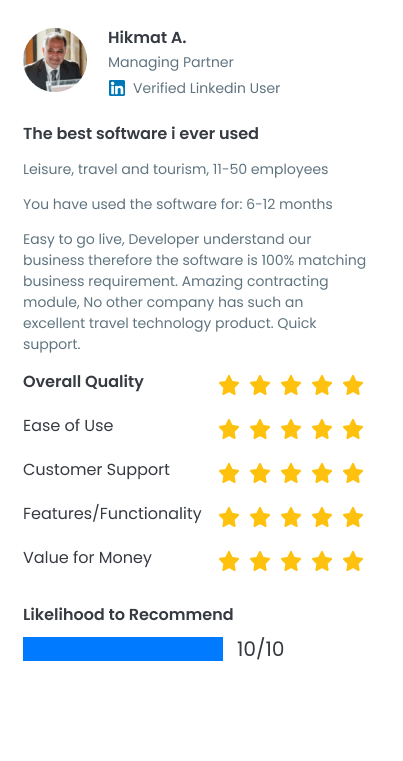
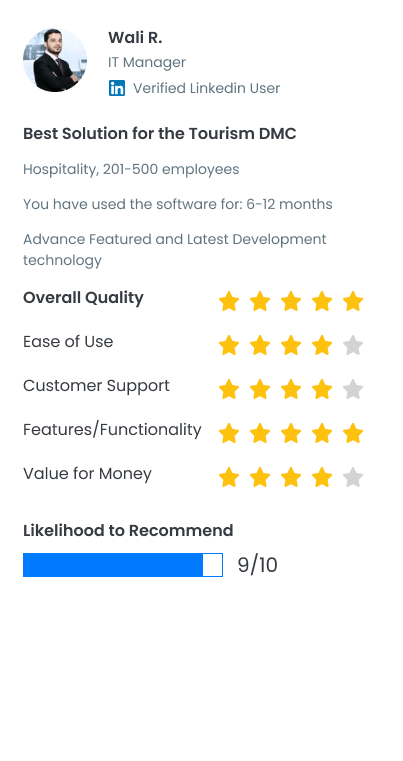
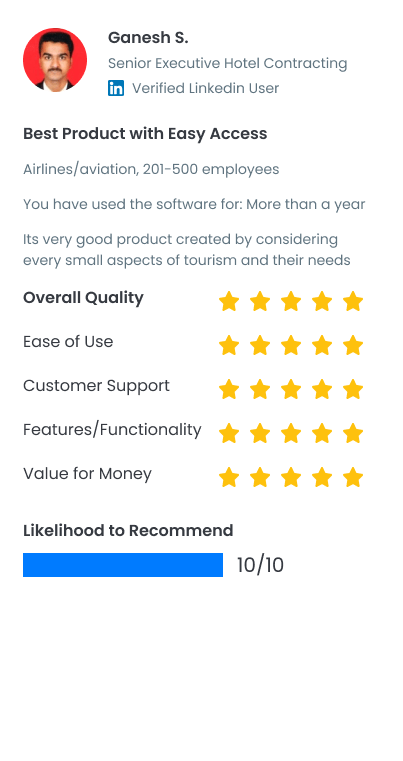
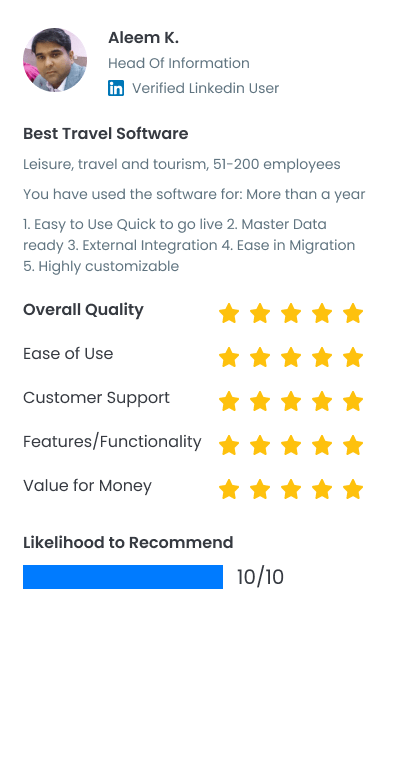
Trusted By Businesses. Loved By Clients.

Signature is the most trusted platform in DMC Software and Travel Agency Software.

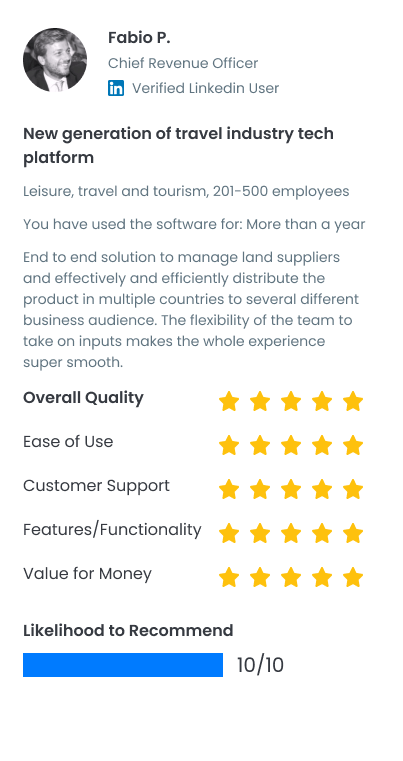
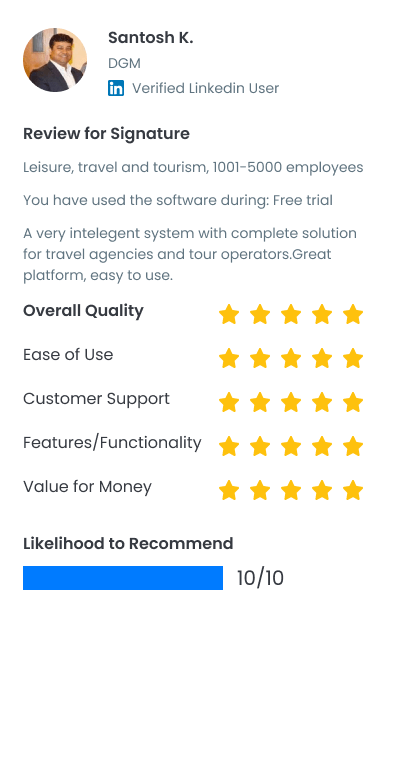
Rated 4.8/5 on Capterra

Based on verified reviews from user
This thriving online research and review platform trusts Sriggle Subscription and revenue operations.
View More
Signature is the most trusted platform in DMC Software and Travel Agency Software.
View More

Who Needs B2B Travel Portal Development?

It is used by travel businesses that sell through agents rather than directly to consumers. This includes travel agencies managing sub-agent networks, tour operators distributing packages to trade partners, OTAs consolidating multi-supplier inventory, and DMCs managing ground services for international wholesalers and inbound travel companies. 

In practice, that covers four distinct types of travel business. 

Not every travel business needs the same solution. Here is exactly who Sriggle's B2B Travel Portal Development is built for — and what it solves for each. 

Travel Agencies 

If you manage a network of sub-agents, you already know the problem. Different agents book through different systems. Markups applied inconsistently. No central visibility over who booked what, at what margin. 

Sriggle gives you one control panel. You set the markup rules. You define credit limits per agent. Every booking flows through the same system — tracked, documented, and reportable. 

Tour Operators 

Tour operators need more than a booking engine. You need itinerary building, supplier contracting, package customisation, and client communication — all connected. 

Sriggle's travel portal handles the full tour operation cycle. From the moment a quote is built to the moment the final invoice is sent, every step sits inside one system. No spreadsheets. No manual handoffs between teams. 

Online Travel Agencies 

OTAs live and die by inventory breadth and booking speed. If your agents are waiting on supplier confirmations or manually checking availability across multiple GDS terminals, you are losing bookings to faster competitors. 

Sriggle connects your OTA to Amadeus, Travelport, and 60+ third-party APIs simultaneously. Agents see unified, real-time inventory across all sources in a single search. 

Destination Management Companies 

DMCs have a unique challenge — you are selling to wholesalers and inbound operators who expect net rates, fast turnaround, and white-label presentation. 

Sriggle's platform supports white-label configurations, net rate management, and partner extranet access — so your wholesale clients get a branded booking experience without you building a custom platform from scratch.

See Signature by Sriggle in Action

Watch a quick walkthrough of how Sriggle Signature manages bookings, suppliers, invoicing, CRM, and B2B operations from one platform.

Key Features of Sriggle's B2B Travel Portal

A B2B Travel Portal typically includes real-time GDS and API connectivity, multi-tier agent management, dynamic markup and commission controls, itinerary building tools, supplier contracting, automated invoicing, and back-office reporting.  

The best platforms combine front-end booking capability with full back-office management, so travel businesses operate from a single system rather than multiple disconnected tools. 

But most vendors stop at the booking layer. Here is what a complete platform actually includes. 

A booking engine handles transactions. Your business needs much more than that. Here is what Sriggle actually delivers — and why each feature matters to your bottom line. 

Real-Time GDS & API Connectivity 

Sriggle connects directly to Amadeus and Travelport GDS systems. This means your agents search live, confirmed inventory — not cached results that go out of date between search and booking. 

On top of GDS, the platform supports 60+ third-party API integrations including Hotelbeds, WebBeds, and Expedia. Your agents see consolidated inventory from all sources in a single search result. No switching between systems. No duplicate checking. 

For tour operators, this matters because it eliminates the gap between what your suppliers offer and what your agents can actually sell — in real time. 

Multi-Tier Agent Management 

Not all agents are equal. Master agents, sub-agents, branch offices, and corporate accounts each need different access levels, different markup rules, and different credit limits. 

Sriggle handles all of it from one admin panel. You define the hierarchy. You set the rules. Each agent tier sees exactly what you want them to see — and nothing you don't. 

Each license includes three agent portal logins as standard. Additional logins can be configured based on your network size. 

Itinerary Builder & Package Management 

This is where Sriggle separates itself from generic booking engines — and it matters most for tour operators. 

Building a custom itinerary used to mean hours of manual work across spreadsheets, supplier emails, and Word documents. Sriggle's itinerary builder pulls live inventory directly into a structured quote. Flights, hotels, transfers, and activities — combined into a single, client-ready document in minutes. 

Markup is applied automatically based on your pre-set rules. The client sees the final price. You see the margin. No manual calculation. No pricing errors. 

Supplier Contracting & Rate Management 

Tour operators work with contracted rates — net rates negotiated directly with hotels, ground handlers, and activity suppliers. Managing those contracts manually is where most operators lose money without realising it. 

Sriggle's supplier contracting module stores your contracted rates, applies them automatically during the booking process, and tracks validity periods so expired rates never accidentally get quoted to clients. 

Net rates stay hidden from agents at all times. Margins stay protected. 

Automated Invoicing & Back-Office Reporting 

Every confirmed booking generates an invoice automatically. Payment terms, tax rules, and currency settings are applied based on your pre-configured business rules. 

The back-office reporting suite gives you a live view of bookings by agent, by supplier, by destination, and by margin. You know exactly where your revenue is coming from — and where it isn't. 

For travel agencies managing multiple sub-agents, this replaces the end-of-month reconciliation nightmare with a real-time dashboard that needs no manual input. 

White-Label Booking Portal 

Your clients don't need to know which platform you're using. Sriggle's white-label configuration lets you present a fully branded booking experience — your logo, your colors, your domain. 

For DMCs and wholesalers, this means your trade partners get a professional, branded extranet without you commissioning a custom development project. It looks built for you. Because it is.

B2B vs B2C Travel Portal — What is the Difference?

A B2B Travel Portal serves travel trade professionals — agencies, operators, and sub-agents — who book on behalf of clients.  

A B2C Travel Portal serves end consumers who book for themselves. The core difference is not just the interface — it is the underlying business logic: markup controls, agent hierarchies, net rate management, and credit limits exist only in B2B systems. 

This is one of the most common questions travel businesses ask before investing in portal development. And it matters — because choosing the wrong model wastes months of setup time and significant budget. 

Here is a clear breakdown. 


B2B Travel Portal 

B2C Travel Portal 

Who uses it 

Travel agents, sub-agents, tour operators, DMCs 

End travellers booking for themselves 

Booking interface 

Agent dashboard with net rates and markup controls 

Consumer-facing with retail prices 

Markup management 

Configurable per agent, per supplier, per destination 

Fixed retail pricing 

Agent hierarchy 

Multi-tier: master agents, sub-agents, branch offices 

Not applicable 

Credit limits 

Per-agent credit limits with real-time tracking 

Not applicable 

Net rate visibility 

Hidden from agents — margins protected 

Not applicable 

White-label support 

Full white-label for trade partners 

Optional consumer branding 

GDS connectivity 

Full GDS access for live trade inventory 

Optional — often third-party aggregator 

Primary use case 

Wholesale and trade distribution 

Direct consumer sales 

Who Sriggle builds for 

✓ Primary product 

✓ Available as add-on module 

The table tells you the structural differences. But here is the practical reality most vendors won't tell you upfront. 

B2B and B2C are not interchangeable. A travel agency that tries to run agent bookings through a B2C portal will hit the ceiling immediately — no markup controls, no agent hierarchy, no net rate protection. Agents end up quoting retail prices to clients. Margins collapse. 

The reverse is equally true. A B2C portal built on B2B logic frustrates consumers with interfaces designed for trade professionals. Conversion rates suffer. 

The right question is not B2B or B2C — it is which comes first. 

For most travel agencies and tour operators, B2B comes first. You build your trade distribution network, lock in your supplier contracts, and establish your agent hierarchy. Once that foundation is stable, a B2C consumer-facing layer can sit on top of the same inventory — without rebuilding the platform. 

That is exactly how Sriggle's architecture works. The B2B Travel Portal is the core product. The B2C module connects to the same inventory and supplier base — so you are not managing two separate systems when you eventually serve both markets. 

GDS & API Integrations in Sriggle's B2B Travel Portal

A B2B Travel Portal is only as powerful as the inventory behind it. GDS and API integrations determine what your agents can search, book, and sell — and how fast they can do it. Without the right connections, even the best-designed portal becomes a bottleneck rather than a business advantage. 

Sriggle's Portal connects to two of the world's largest Global Distribution Systems — Amadeus and Travelport (Galileo). This gives your agents access to live, confirmed inventory across flights, hotel rates, and ancillary services — directly from the source, not through an aggregator adding a layer of latency or markup between you and the supplier. 

What GDS Connectivity Actually Means for Your Business 

Most travel businesses understand that GDS means "more inventory." What they underestimate is the operational impact. 

When your portal pulls live GDS data, your agents stop chasing confirmations. A booking made at 11pm on a Friday is confirmed instantly — no waiting for a supplier to open on Monday morning. Cancellations and amendments reflect in real time. Availability is what it says it is. 

For tour operators building multi-component packages, this matters more than almost any other feature. A package with a flight, hotel, and transfer can only be confirmed and priced accurately if all three components are pulling live data simultaneously. GDS connectivity makes that possible. 

Third-Party API Integrations 

GDS covers flights and some hotel content. But the full scope of what your clients want to book goes well beyond that. 

Sriggle supports 60+ third-party API integrations — giving your agents access to a significantly broader inventory base beyond GDS content alone. This includes: 

  • Hotel consolidators — Hotelbeds, WebBeds, Expedia Partner Solutions 
  • Transfer and ground services — for DMCs and tour operators managing ground handling 
  • Activity and excursion suppliers — for operators building experience-led packages 
  • Payment gateways — Stripe and PayPal supported natively 

Every integration feeds into the same unified search interface. Your agents do not need to know which supplier is fulfilling a booking. They search once, see consolidated results, and confirm.

B2B Travel Portal Development Cost & Deployment — How It Works

The cost depends on three factors — the deployment model you choose, the integrations you need, and whether you are building from scratch or implementing a configurable SaaS platform. For most travel agencies and tour operators, the SaaS route delivers a faster go-live, lower upfront cost, and a more predictable total cost of ownership than custom development. 

This section explains exactly how Sriggle's pricing and deployment works — so you can evaluate it against alternatives without a sales call first. 

SaaS License vs Custom Development — Which Makes Sense? 

There are two ways to get a B2B Travel Portal built. Understanding the difference upfront saves significant time and budget. 

Custom development means commissioning a development agency to build a portal from scratch to your exact specification. You own the code. You control every feature. You also carry every cost — development, testing, hosting, maintenance, and every future update. Timelines typically run between 6 and 18 months. Budgets typically run between $50,000 and $250,000 depending on complexity. And when something breaks at 2am on a Saturday, your development vendor's response time becomes your problem. 

SaaS implementation means deploying a pre-built, configurable platform — customised to your brand, your suppliers, your agent hierarchy, and your business rules. You pay an annual license fee. The vendor handles infrastructure, maintenance, and updates. You focus on running your travel business. 

For the vast majority of travel agencies and tour operators, SaaS is the right answer. The only scenario where custom development makes sense is when your business has genuinely unique inventory relationships or workflow requirements that no existing platform can accommodate. 

How Sriggle's Pricing Works 

Sriggle operates on an annual SaaS license model. There is no per-booking commission — which means your cost does not scale with your volume. A travel agency processing 500 bookings a month pays the same license fee as one processing 50. As your booking volume grows, your cost per booking falls. 

There is no setup fee. Each license includes three agent portal logins as standard. 

For exact pricing based on your team size and integration requirements, Sriggle's team provides a direct quote — because the right configuration varies significantly between a ten-agent retail agency and a wholesale DMC managing 200 trade partners. 

Deployment Timeline — What to Expect 

This is where Sriggle's SaaS model creates the most immediate operational advantage over custom development. 

Most Sriggle clients go live within weeks of signing. The platform ships with pre-loaded master data — supplier content, destination data, and booking logic — which eliminates the configuration work that extends most portal deployments into months-long projects. 

The typical deployment sequence looks like this: 

  • Week 1 — Discovery, business rule configuration, agent hierarchy setup 
  • Week 2 — GDS and API connections activated, markup rules configured 
  • Week 3 — User acceptance testing with your team 
  • Week 4 — Go-live 

Custom development projects covering the same scope routinely take 6 to 12 months. Every month your portal is not live is revenue your agents cannot book through a system you control. 

One Honest Caveat 

Deployment timelines depend on how quickly your team can complete configuration decisions and testing. Clients who arrive at onboarding with clear business rules, defined agent hierarchies, and confirmed supplier relationships go live fastest. Clients who use the onboarding process to make those decisions for the first time take longer. 

Sriggle's team will guide you through this — but the decisions themselves need to come from you. 

Our Software Solution Reshapes the way you deliver travel services to clients

Check out the excellent B2B travel portal from Sriggle right away!

Frequently Asked Questions About B2B Travel Portal Development

These are the questions travel agencies, tour operators, and OTAs ask most often before investing in Development. We have answered each one directly.

; Brochure
Request A Demo
Request A Demo