Destination management companies have to keep many things in check. There isn't much time for manual rate changes. This is especially true when you're dealing with suppliers, ground operations, and wholesale buyers.
Most of the time, booking room blocks with fixed holiday rates costs extra money. Overnight changes in flight patterns and sudden events in the area cause high demand. Because of this, travelers book with less time to spare. It is better to manage daily rate changes across all distribution channels. This practice is essential to stay competitive and protect profit margins.
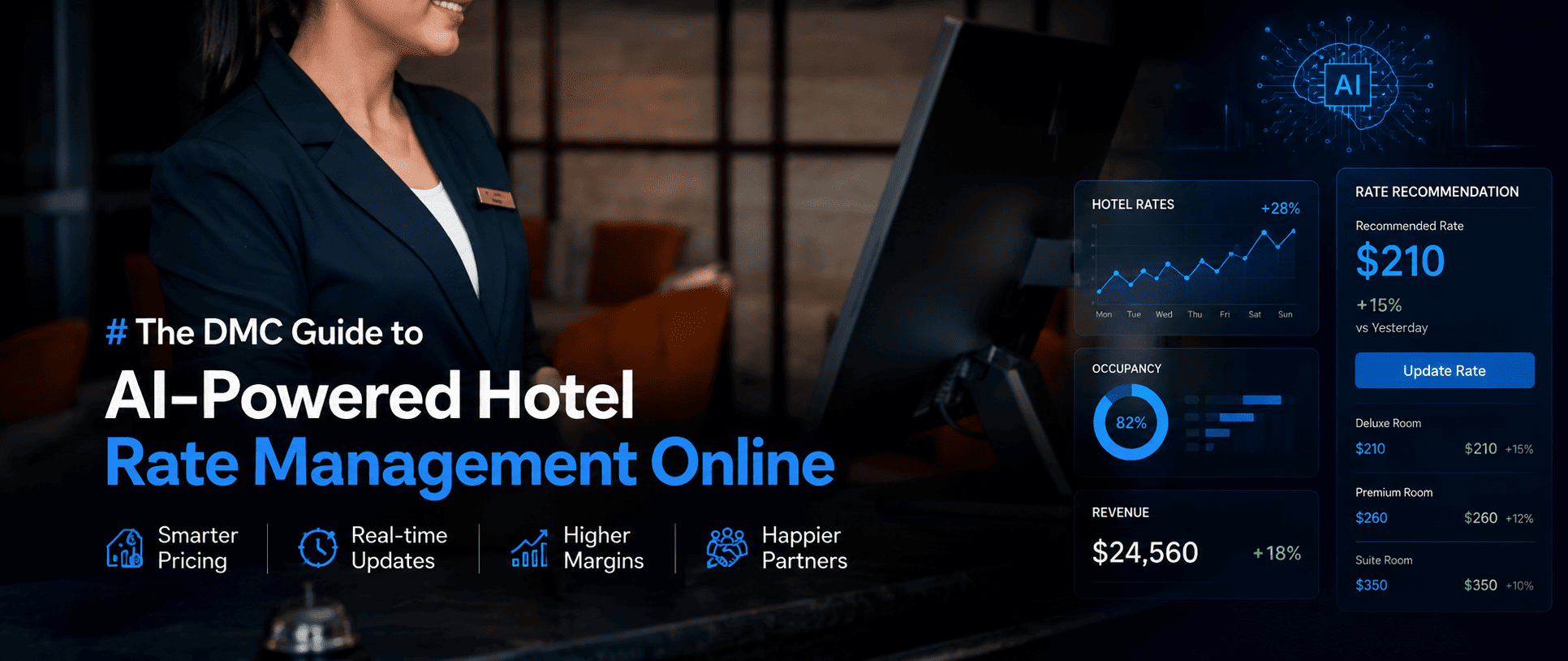
Adding dynamic algorithms to your yield plan changes everything. When revenue teams use specific AI models, they can process large volumes of market data. They can also see when booking patterns and price changes happen across channels. Your systems respond right away to real market signs.
With that, you don't have to guess when to change baseline rates. This lets your team make the most of high-demand periods. It also helps maintain a steady flow of bookings during slow times.
Digital distribution has revolutionized the way that destination managers develop, package, and market lodging. You can integrate your portfolio with hotel channel managers and global marketing networks. Upgrade your core travel system to utilize real-time APIs.
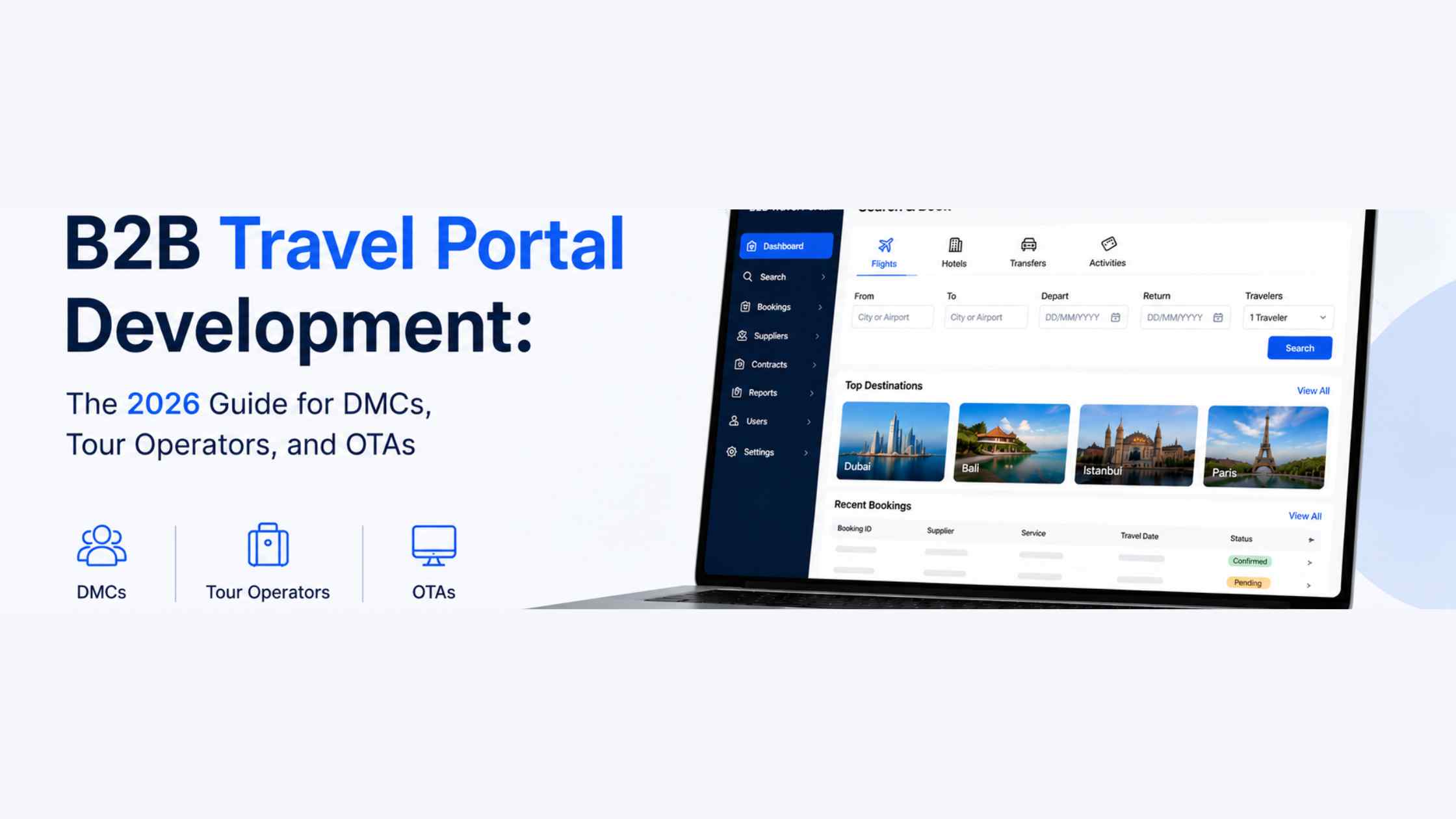
Direct communication eliminates laborious rate entry and awkward multiple bookings for high-demand locations. The most crucial element is that it updates B2B portal availability and pricing in real time.
Distribution engines connect to a partner's hotel management system. This is for smooth operation feedback. The core system updates any inventory changes across all booking channels. Pricing changes are part of this process. It also allows the teams to protect wholesale margins and the hotels to maximize room occupancy.
Dynamic pricing alignment must constantly monitor local demand signals. It is important to maintain profitable wholesale margins when demand spikes. Your team should raise the base fee when a local hotel guest count exceeds limits.
Automated rate fencing ensures discounted wholesale rates do not leak into retail channels. This safeguards the hotel brand's reputation and partner commission agreements. You can lock down your distribution platform. You can also hide negotiated business prices from permitted agency partners.
Predictive yield models use past pickup rates to propose changing prices. It is better to act before competitors do in response to market changes. Monitoring lead times helps destination teams capture early bookings. This helps avoid losing money on late bookings.
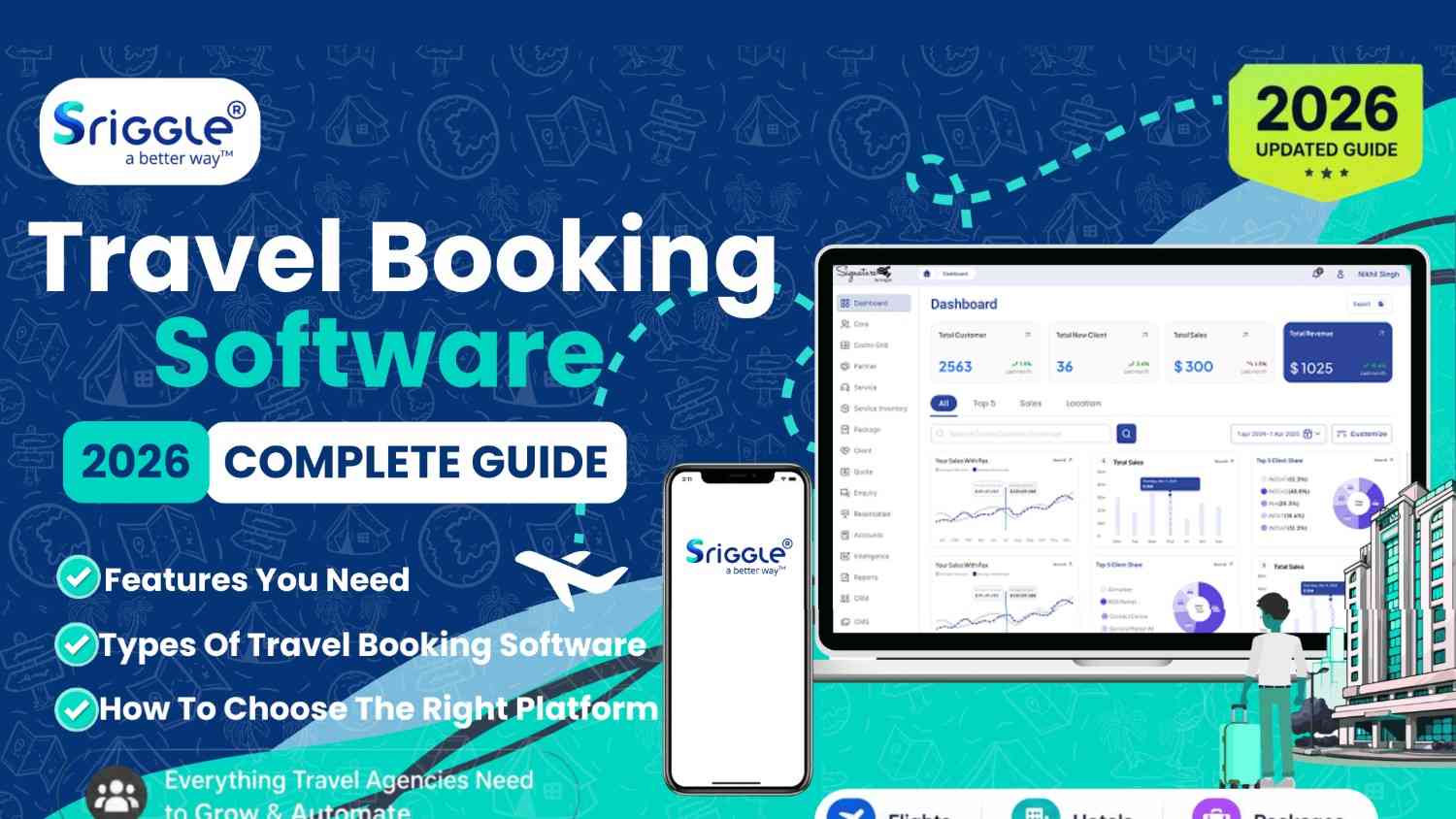
Shifting from fixed contracting to flexible, real-time rates requires a strong technical foundation. This is because it must handle high search traffic. Many firms use top travel management software comparison tools. They use them to analyze platforms like Sriggle. It offers customizable back-office contracting engines and central stocking hubs. This makes it easier for travel agents worldwide to be available in real time.
Response times are quite fast, even during busy times for group or FIT bookings. This is because rate distribution automates using cloud infrastructure.
Yield management requires data analytics. So, travel companies may need machine learning and algorithmic forecasting experts. Many innovative managers are reading the Research.com overview of accredited online AI master's programs. They do this to learn how modern degree tracks are training students. They also use it to create and improve unique revenue models.
Your team can interpret data recommendations. They can also alter pricing rules. Moreover, govern automated decisions through internal team training.
Integrating predictive tools into your software architecture requires careful planning and implementation. Pricing engines need accurate, continuous data to function. Uncertain historical data, market inputs, and poor algorithm projections affect your bottom line. Strong data governance practices can ensure your automated rates reflect genuine market conditions.
Check the latency and quality of the data in all current distribution channels for the connected booking system. The rate changes reach all B2B targets as quickly as each interface can handle. This cuts down on API lag.
Set basic concepts and price guardrails to keep automated algorithms inside the contract. Firm pricing floors and ceilings preserve partner relationships and speed automated system responses.
Review your channel conversion rates regularly. This helps you adapt your approaches to buyers in different geographic regions. Regular performance reviews and price-elasticity adjustments can help maximize profit.
Data on buyer behavior demonstrates the impact of frequent price changes on trust and booking decisions. Revenue managers can monitor wholesale buyers' pricing responses. They employ bespoke AI analytics solutions across booking windows.
Understanding buying trends helps your agency avoid pricing out long-term consumers. They also help with pricing on peak travel days.
Data science implies that buyer confidence depends on clear information. Also, under straightforward pricing regulations, buyers notice when prices change a lot.
In a 2026 Frontiers in Sustainability study on Jordanian electric vehicle marketplaces, AI-supported dynamic pricing did not benefit buyers. Specific pricing can help destination managers create B2B buyer trust in volatile markets.
Clear price criteria can help destination managers build B2B buyer trust in unpredictable markets.
Good communication with wholesale partners improves commercial relationships. It also reduces friction during peak demand. If they understand why, trade partners will be more comfortable modifying busy season prices for clients. Transparency makes rate changes less arbitrary and more profitable for suppliers and customers.
Automated parity tracking software identifies third-party rate breaches in real time. Early off-contract pricing is good for hotel relationships and brand integrity.
Refine overbooking buffers using historical cancellation data. Do this to maximize hotel occupancy for local events. Smart cancellation forecasts help reduce unoccupied rooms and boost revenue per room.
Create tiered wholesale commission plans to reward agency partners for high volume. Make sure to protect your profit margins. Adjust commission levels to meet growth and agency goals.
Integrating management systems allows housing inventory combined with transfers and guided tours. Destination operators may bundle itineraries and stay profitable. This is because costs change with hotel pricing software and tour-specific booking engines.
Destination managers and hotel suppliers must communicate and set performance goals. Travel technology and transparent revenue-sharing schemes enable hotels to wholesale their best inventory. Partner hotels may offer trusted destination managers special room blocks and better prices. They can do this with continuous volume from automated yield strategies.
Channel conflict is a huge problem with global travel inventory management. Venues can use online inventory sites to price tour operators, corporate accounts, and retail agents. Automated business logic ensures that digital partner hotel brands are not discounted incorrectly.
The winning destination revenue management plan combines industry expertise with speed of automation. Smart artificial intelligence systems do the boring maths. This means your yield team may focus on strategy, cooperation, and unique agreements. A strong, trend-ready travel firm is built on solid data and market understanding.
Investing in digital infrastructure makes your DMC more competitive in global travel markets. Flexible travel technology tools help your company scale and enter new markets. Moreover, impress wholesale buyers worldwide. Innovation is key to keeping staff agile in a fast-changing business.
Destination activities need real-time rate control for global distribution networks. Flexible, user-friendly online pricing can help destination teams capitalize on new opportunities. It can also reduce operational risk and help them thrive. Future distribution leaders will automate rate optimization. And they can accomplish this while valuing human judgment, partner confidence, and data quality.